If you want to experience a developed country closer to home in Asia, one of the most obvious options is Singapore. It is a twinkling state in the neighborhood, where most small and big economies are still catching up. I was on a recent solo trip to this wonderful island nation and had an amazing time exploring the varied flavors of this city-state, a city that is a country in itself!
Overview of Singapore
Singapore, or technically the Republic of Singapore, is an island city-state located in the south of the Malay Peninsula. City-state means that it is a country within a city and hence is a smaller territory overall. It spreads from the Malacca Strait in the North to the South China Sea. The country of 6 million population is comprised of a large diamond-shaped island surrounded by over 60 small islets.
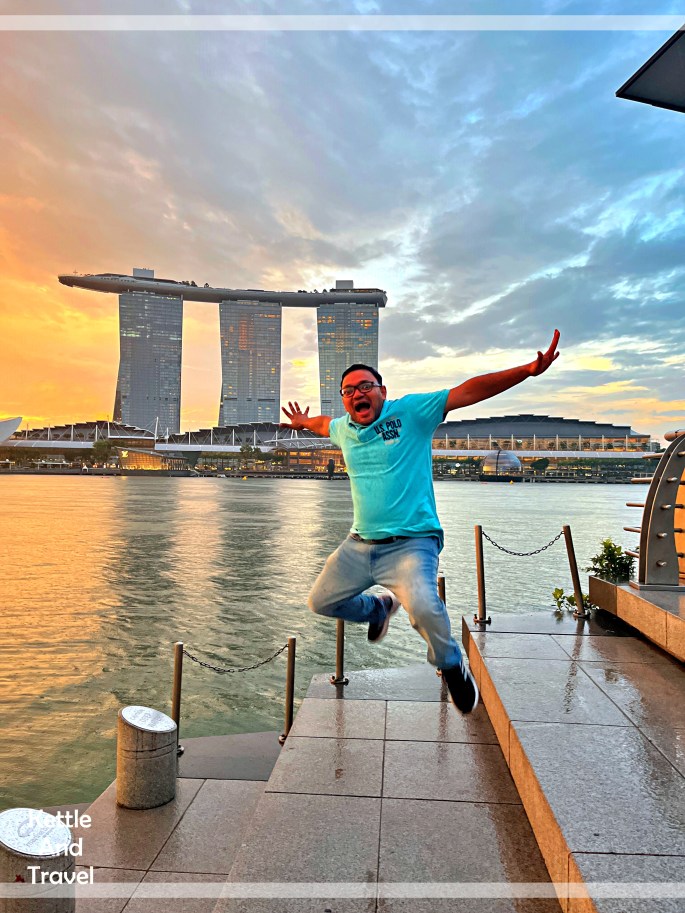
Singapore is a fledgling economy
Singapore is one of the largest ports in the region and is located ideally for trade and commerce through the Singapore Strait. It was in fact the potential of the port which actually led to the existence of the country itself. It is also the backbone of the country’s strong economy but not the only thing making Singapore a developed country.
Singapore has also focused on expanding itself as the base of the financial services industry. The favorable tax structure allows financial institutions to avoid the strict tax and regulations of some of the other major economies in Asia. Most financial institutions including banks, credit card issuers, and other financial services provider have set up their bases as APAC headquarters in Singapore.
Additionally, the country has invested heavily in the tourism industry. They have established a complete island, created artificially, as an entertainment hub. They have brought the world’s best tourist attractions including the Universal Studios and Madam Tussauds. So much so that the Singapore airport too has been designed as a tourist attraction leading many travelers to ask for longer layovers.
A lesson in the history of Singapore
Originally inhabited by indigenous Malay peoples, Singapore was later colonized by the British in the early 19th century. Under British rule, Singapore flourished as a major trading port and became known as the “Gibraltar of the East.” However, during World War II, Singapore fell to Japanese forces and endured a period of occupation and hardship.
After the war, Singapore returned under British control again and later gained independence from Britain in 1965. It then embarked on a journey of rapid economic development and today is a thriving metropolis known for its modern infrastructure, vibrant cultural scene and strong economy. Singapore is one country that does not shy away from its history and has preserved its history in the form of old monuments in the streets and memoirs in museums.
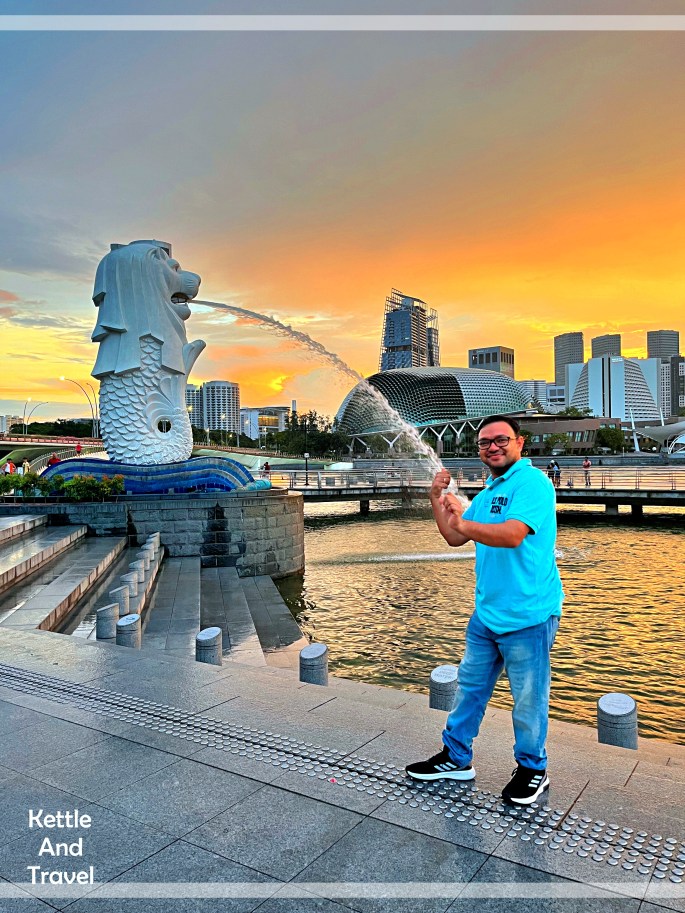
Another piece of history of Singapore is related to how it got its name. Fables have that a prince in ancient times visited the region during hunting and saw a lion so different from anything he had seen earlier. It was then that he decided to name the place Sinhapura or “place of lion. This name gradually transitioned to Singapore, which is still known as the lion city in many ways – including on the unofficial mascot of Merlion.

How to Reach Singapore and Travel Around
Flights, Ferries, and Roads – All Lead to Singapore
Singapore is the hub of tourism and economic activity and hence is well-connected with the rest of the world. The easiest way to get into the country is via flights but water and road routes also lead to Singapore.
Singapore has a great airport to speak of!
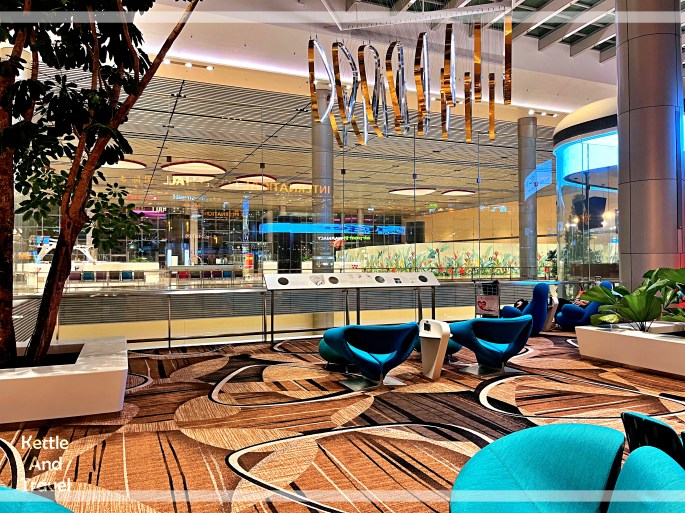
The Changi Airport of Singapore is one of the largest and most beautiful airports of the world. It is designed to be a tourist attraction in itself along with the expansive shopping mall alongside it – the Jewel. While people hate layovers at other airports, they look for longer ones here. It is home to one of the world’s best airlines (at least before its Middle Eastern competitors bucked up) – Singapore Airlines! This has made Changi as a major transportation hub. India has direct flights to Singapore via Singapore Airlines, Air India, Air Vistara, and Indigo.
Five ferry terminals support frequent boat connections to Malaysia and Indonesia. There is a cruise terminal for luxury liners from across the world. For those preferring road transport, there are good highways connecting Singapore with Malaysia. There are regular buses to and from Singapore connecting it to major cities of Malaysia – Kuala Lumpur is actually a six-hour drive/ride from Singapore. You could take a train as well from Singapore to Malaysia but the connections and changes are so crooked that it would defy any purpose and hence we would not even go there!
Flights to Singapore from India
There are direct flights to Singapore from fourteen Indian cities and with connections you have an option from every corner of the country. The major service providers are Air India, Indigo, Air Asia, Vistara Airlines, and Singapore Airlines. The prices hover around 25000 INR for a 1 month out set of dates. We recommend monitoring the prices about 2 months out for the best deals. We got an under 20k INR deal on Singapore Airlines which is the best we have heard for a summertime window. We use Google Flight alerts to keep track of changing flights.
Traveling within Singapore
Now that you are in Singapore, the next question is how to commute within the city (or country!). The obvious choices of taxis and radio cabs are definitely available. There are metered taxis at the airport to take you to any corner but these are always on the expensive side of the spectrum. Grab is the most popular and prominent radio cab service provider similar to most South East Asian countries. The service is prompt and economical (as much as a cab can be in Singapore). You should definitely have the Grab app on your phone before you land in Singapore.

Public transportation in Singapore is effective, efficient, and timely
However, Singapore has a very efficient and effective public transportation system. It is much better than a lot of such systems we have seen around the world. While it may look like a complex maze of MRTs and buses, it is pretty simple once you get used to it. There are adequate connections across the city and frequency is good enough. Boarding and deboarding are simple. Most rides are around SGD 1 so it is a pretty affordable way to traverse the city.
All you need to use public transportation in Singapore is an Ezlink or NETS card which is the payment card for all transportation systems (and some additional outlets). It can be easily purchased at any MRT station or grocery store (7-11s etc.) and comes in multiple variants for tourists. We recommend not taking the bundled package for tourists and using the basic card. You could have it topped up as needed. However, if you have a Visa or Mastercard credit/debit card from home which does not charge obnoxious currency conversion fees, you can avoid that as well. You can use your card directly for public transportation (after the recently implemented SimplyGo Program)! There is just a 0.6 SGD charge each day for using your Visa/Mastercard cards.
Logistics – Visa, Accommodation, Currency, Sim Card & Language
Permission to board a flight to Singapore
While several countries are exempt from travel documentation requirements, Indian passport holders need a Visa to enter Singapore. While multiple resources over the internet make the Visa process for Singapore look like a convoluted process, it is actually one of the easiest ones. The process is simple and efficient and below is a quick summary of the process along with relevant links to information. More details are available at the ICA Portal.
There are two ways of obtaining a Singapore Visa – one is through a relative already in Singapore and the other is the usual embassy route.
The First Way to Singapore Visa – If you know someone in Singapore who is ready to invite you, you have a very easy path to the country. Given it is a developed nation and has its systems well set up, someone with permanent resident status in Singapore can raise a request for a visitor, and the permission is almost always granted. An eVisa is generated and sent to the requester. This process is very smooth and fast, and you could have your Visa in as soon as in a couple of hours.
The Usual Way to Obtain a Singapore Visa – Of course not everyone knows someone in Singapore – they too deserve an excursion to this wonderful country. Strangely for a country like Singapore, there is no online procedure to apply for a Visa (countries like Vietnam processed visas online when there was a requirement). Singapore Embassy has identified a few agencies as authorized visa agents for Singapore visas. These are segregated based on cities across the country.
You need to fill out a form and provide your agent with your original passport along with proof of funds, copies of your flight and hotel bookings, and 2 photographs as per the specifications. The fee for the Visa and agent commissions comes out to be around 2000 INR depending on the specific agent you choose. Most agents allow you to courier in the passport for a fee. Once the documents are validated at the agent’s side, they are sent to the embassy and you get a confirmation in about 3 days. You pick up your passport from the agent and get an eVisa via email.
However, even after all this, you still do not get a stamp on the passport! My passport has no proof of a Singapore visit as there is no stamping that happens during immigration as well, thanks to the automated gates through which Indians can pass through. More on this later in the article.

Accommodation
Real estate is at a premium in this island country, and hence accommodation is a major expense on a trip to Singapore. Compared to most Asian countries and even some American and European countries, hotel prices are very high in Singapore. A decent room for two in a not-so-posh hotel can expect to charge upwards of 10,000 INR per night. Having said that, Singapore offers a number of options to suit your needs. There is no dearth of the posh and upmarket chains of Mariotts, Hayatts, and the likes of Marina Bay Sands. Most of these are located in the Downtown Area, Orchard Road, or Bugis Street. There are decent hotels at relatively affordable rates in Chinatown and Little India. These offer basic facilities and are good enough to spend a few days.
If you are traveling solo, there are a number of great hostels and capsule hotels in Singapore. Most of these are again in Chinatown, Little India, Clark Quay, and Arab Street localities. While both offer similar facilities, capsule hotels offer relatively private space to sleep in. A decent hostel or capsule hotel should be available at about 3000 INR per person per night.
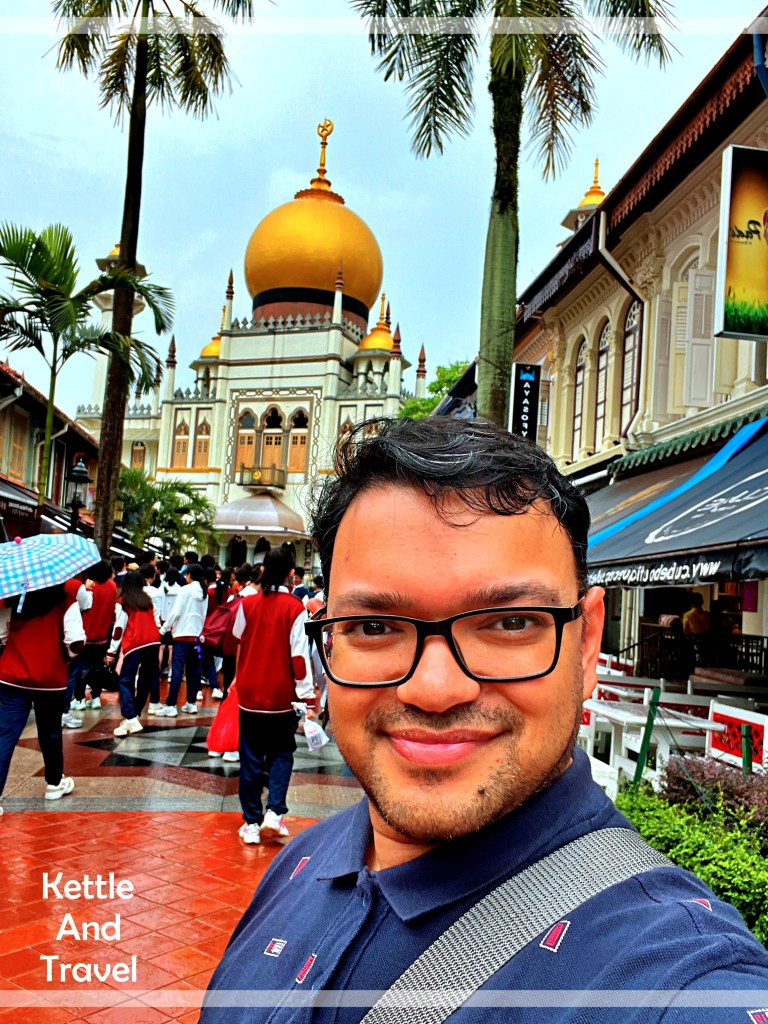
I stayed at a Capsule Hotel in Arab Street – Cube Hotels in Kampong Glam. This was located just beside the Sultan Mosque and Warad Book Shop. Overall it was a great experience staying at a shared facility accommodation after college days. Our detailed review is published on TripAdvisor.
Currency and SIM cards
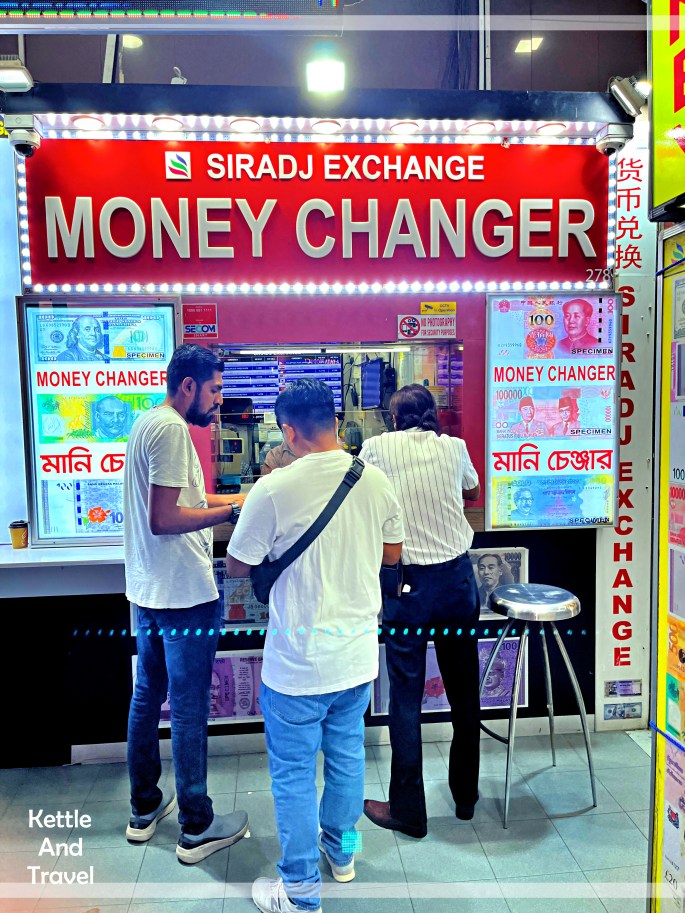
For any new country, the two things that form the foundation of logistics are the ability to do transactions and stay connected in this virtual world. Currency is the most thought-about topic during a foreign visit. While a few years ago, currency exchanges were the only options, today travelers have a lot of other ways to get their hands on local currency. We mostly take US Dollars to most of the countries and get it converted locally. This comes with a dual cost of conversion but is generally efficient for not-so-popular currencies. However, the Singapore Dollar is a popular currency because of tourism and commerce and hence you can have it directly converted in India. We took a limited amount of Singapore Dollars and relied on our credit cards and debit cards for the rest. We have cards that have zero currency conversion charges (or less than the reward points they earn) and zero foreign ATM withdrawal charges. These are great to use for swiping during shopping and ATM withdrawals for cash. The rates are standard Visa or Mastercard conversion rates and are the best means for currency conversion.
As for the SIM card, the best option primarily depends on your requirements. Singtel is the most popular network provider in Singapore and they have tourist sim cards to suit the needs of travelers. They advertise two options for SGD 30 and 50 which have a lot of juice packed. However, they do not popularize an SGD 12 option which is good enough for trips of up to 1 week. You can easily order an e-sim on the Singtel website. Talking about sims, several other sim providers offer data-only options that are pretty economical and give a decent amount of data. For most tourists, this should be enough as you can stay connected through WhatsApp and Facetime. Grab allows you to call the drivers via the app so you are sorted there as well!
Preparations for Immigration in Singapore
Once you are in the country and ready to enter, you need to make sure you have the final box ticked in. Having your Singapore Arrival card is the last step to complete before your immigration. You can complete the form up to 3 days in advance of landing in Singapore. It is a basic form and asks for simple information regarding your travel. You can complete it in advance before you fly for a smoother entry experience.
Once you have all the documentation ready, all you need is to walk up to the immigration desk and enter Singapore. While most nationals need to go through the manual immigration process, there is an automated immigration option for nationals from 60 countries including those from India. The countries included in this list are available at ICA’s portal. These travelers can just go through the automated gates where you need to scan your passport and get clicked before being allowed to pass through. It hardly takes 5 minutes for the entire process.
The Trip in Summary – Day Wise Log & Itinerary Recommendation
I spent four days in Singapore including the day of arrival and departure. We think ideally six full days are enough time to explore the most popular sites in the country. Having said that, I obviously did not cover all that Singapore has to offer and you can spend a complete week without feeling bored. In the below table, I have provided a summary of what I covered and also recommend additional sites to cover if you have a couple of additional days. Also, you may feel that some of the days are cramped with activities which is true to some extent if you are traveling with a family. For a solo trip with a purpose to explore the maximum, it was very manageable.
| Arrival and Acclimatization | Heading | Description |
| Day 1 – April 12, 2024 | Arrival and Aclimatization | – Early morning arrival at Changi Airport – completed immigration – Relaxing at Changi Lounge in Jewel – Exploring Jewel until late morning (main attractions open by 10 AM) – Rain Vortex, Canopy Walk – Reaching the hotel by late noon and checking in – Roaming around and absorbing the new place – strolling in Chinatown & Little India – covered some attractions – Exploring Gardens by the Bay in the evening – Cloud Forest, Flower Dome & Supertree Grove – Marina Bay Sands – Shops, Art & Science Museum and Spectra Light & Sound Water show |
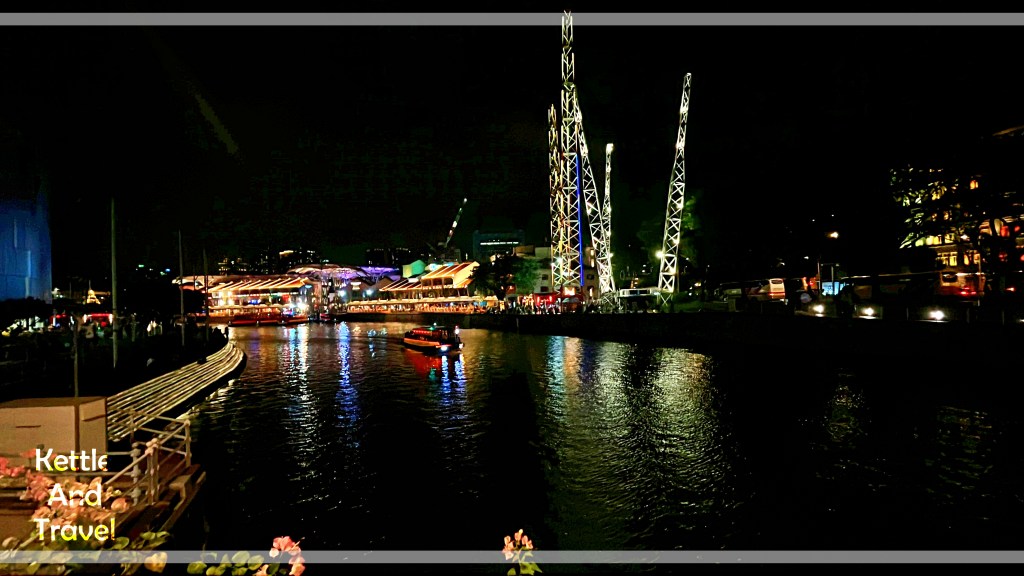
| Day 2 – April 13, 2024 | Sentosa Island | – Spend the morning exploring the area around Arab Street & breakfast in Hazi Lane; explore Sultan Mosque (because we were put up in that area) – Take the Sentosa Express to the fun capital – Sentosa – Pictures around Universal Studios and Water Park – Explore Madam Tsussads and Sky Helix; Enjoy lunch at Kailash – Early evening return to hotel & a quick visit to Chinatown to witness the night-time lighting and hustle Unwinding and Singapore River boat ride in Clark Quay and Boat Quay |
| Day 3 – April 14, 2024 | Nature and Shopping | – Early morning start and witnessing sunrise at Merlion Park – Exploring the monuments of the city – Supreme Court, Parliament, Heritage Museum – Reaching the Windsor Nature Park – hike to the tree-top walk to enjoy the sky bridge – Explore shopping malls on Orchard Road, Bugis Street – Unwinding by the Singapore River |
| Day 4 – April 15, 2024 | Departure | – Early morning to the airport and exploring various terminals of Changi Airport including specific points of attraction – Taking flight to the next destination – time to explore Malaysia |
| Day 5 – Optional Extra Day if available | Pulao Ubin & Singapore Zoo | – Start your day early and get to Changi Point Ferry Terminal – take a bumbum boat to Pulao Ubin (carry cash for fare and other expenses) – Explore one of the last kampongs and follow curated trails across the island – In the evening, take a night safari at the Singapore Zoo |
| Day 6 – Optional Extra Day if available | Universal Studios | – Well, actually this should be a must-do on a Singapore trip and you may choose to do Universal instead on the Sentosa Island day. I was on a solo trip so I skipped it given I wanted to explore other parts of Sentosa. |
Key Places to See in Singapore
Singapore has so much to offer its visitors and you will never be short of choices or high on time. There is so much to see and do in Singapore that every age, budget, and preference would find something enticing. We highlight six broad flavors of Singapore in this section and some popular sites in each area.

Cultural Face of Singapore
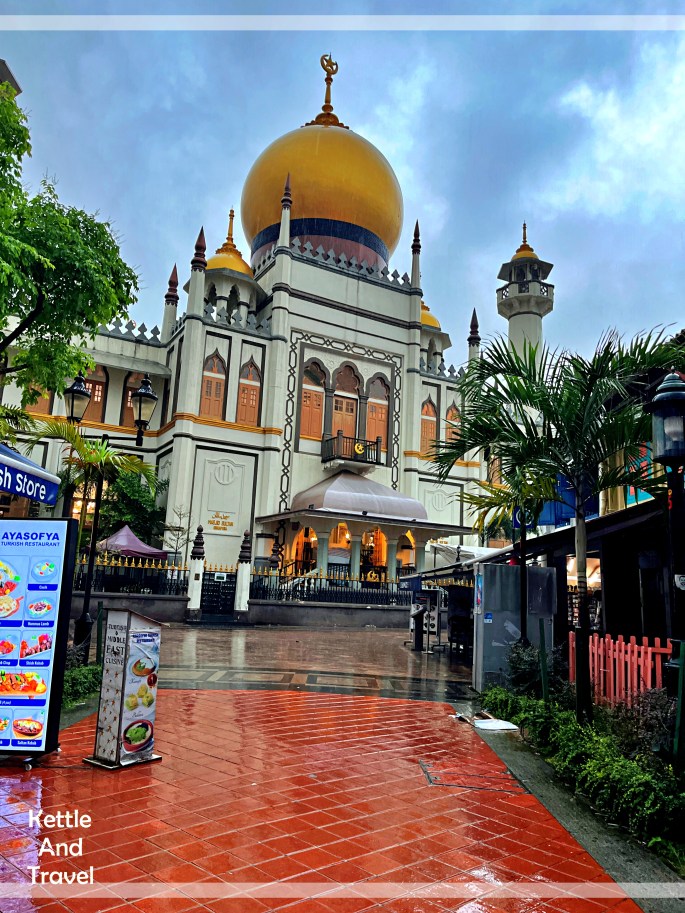
Singapore is a melting pot of varied cultures, and this gives the place a unique flavor. These sites give insights into the life and culture of immigrants. The top attractions in this category include China Town, Little India, Arab Street, and Hazi Lane. There are so many temples – including those of Mahamarian and Budhhists Tooth Relic – and mosques – including the Sultan Mosque. A unique sub-culture exists in each of these areas which brings out the culture, traditions, food, and lifestyle of immigrants from these geographies.
The Upscale Downtown – FAce of Developed island country
The downtown of Singapore is the place that shows the developed face of the country to the world. This is the area that has skyscrapers, post-shopping malls, historic buildings & museums, and five-star hotels. The three most popular areas bringing out the economic and political might of Singapore are Gardens by the Bay, Marina Bay Sands, and Merlion Park, and the area surrounding Fort Canning Park – which includes all the museums and governmental buildings.
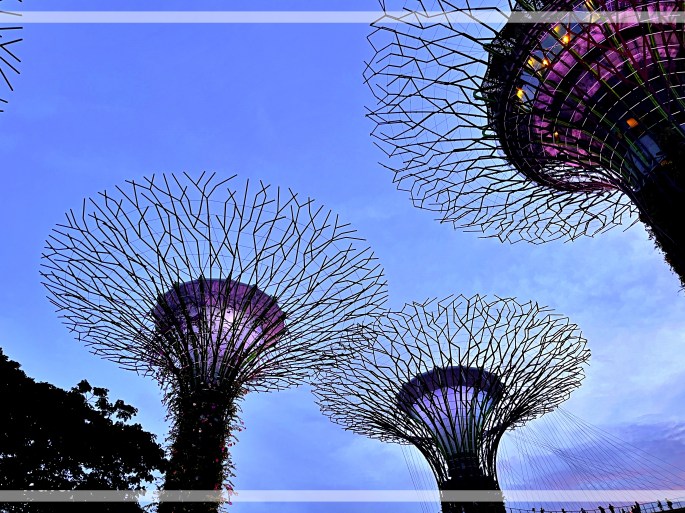
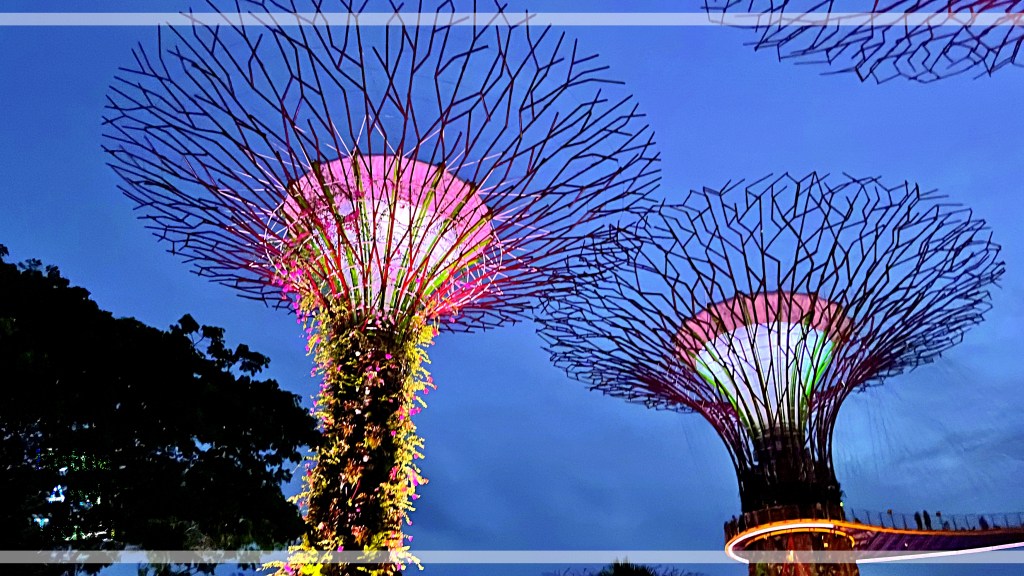
Gardens by the Bay is a breathtaking horticultural wonderland located in Singapore. This iconic attraction showcases a harmonious blend of nature and technology, with its stunning array of gardens, conservatories, and supertrees. Visitors can explore the various themed gardens, each offering a unique experience and showcasing different plant species from around the world. One of the highlights of Gardens by the Bay is the Cloud Forest dome, which houses a 35-meter tall indoor waterfall and an impressive collection of rare plants. The supertrees, towering vertical gardens that light up at night, are another must-see attraction.

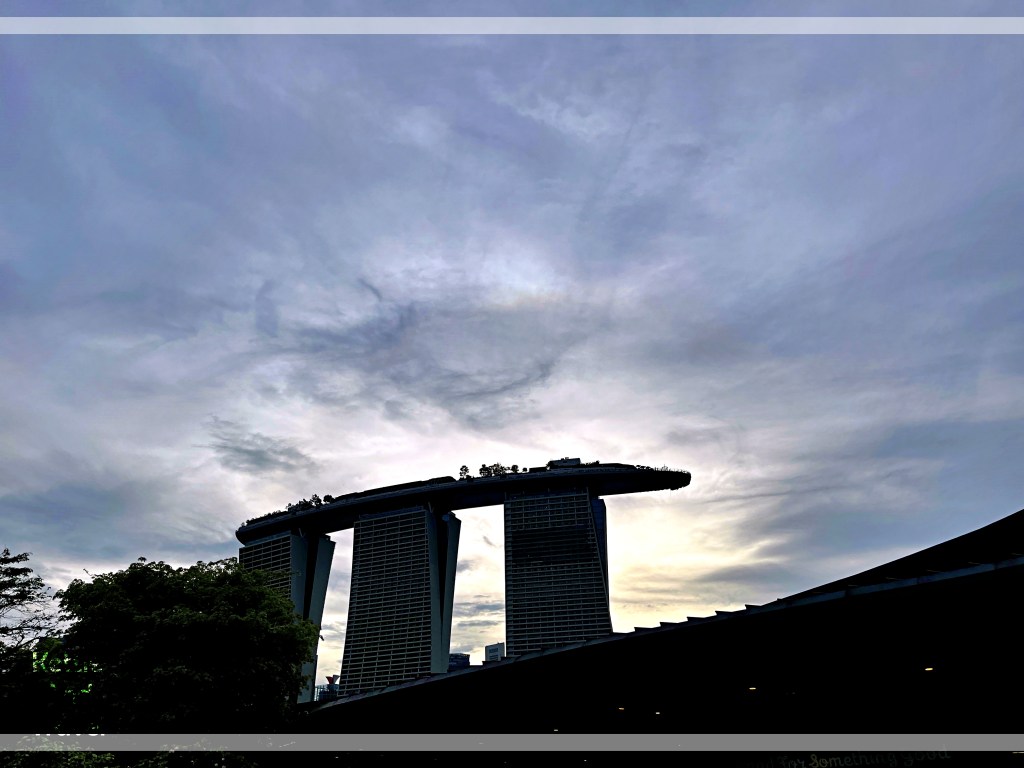
Marina Bay Sands in Singapore is a world-renowned destination that offers a plethora of attractions for visitors to enjoy. One of the most iconic features of Marina Bay Sands is its stunning rooftop infinity pool, which offers breathtaking views of the city skyline. The ArtScience Museum, with its unique lotus-shaped architecture, showcases a variety of interactive exhibits that explore the intersection of art and science.
For those looking for entertainment, Marina Bay Sands boasts a state-of-the-art theater that hosts world-class performances and concerts. The shopping arcade at Marina Bay Sands is also a must-visit for fashion enthusiasts, featuring luxury brands and designer boutiques.

Sentosa Island – The Fun Capital
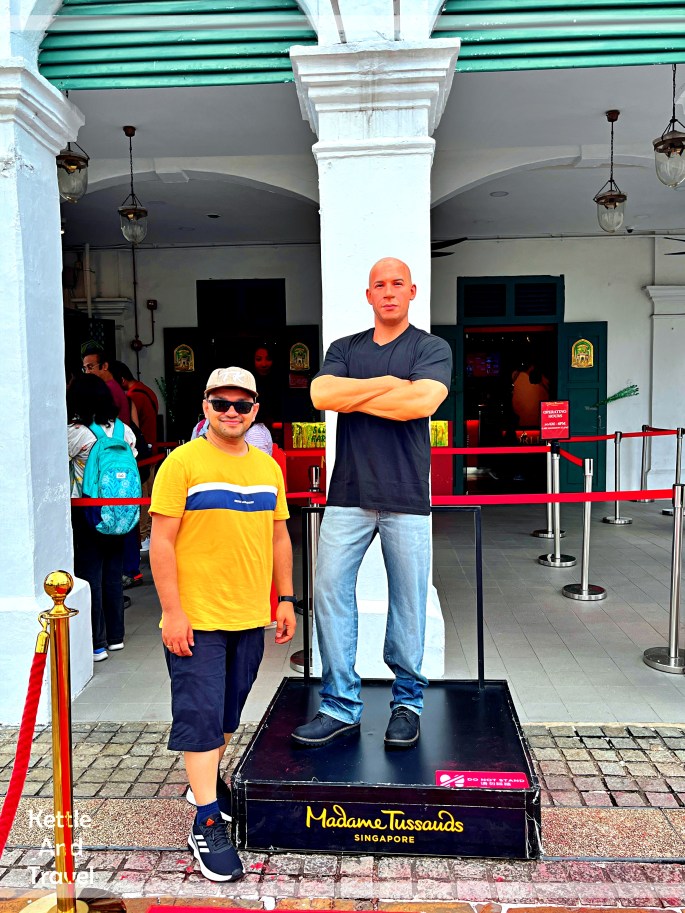
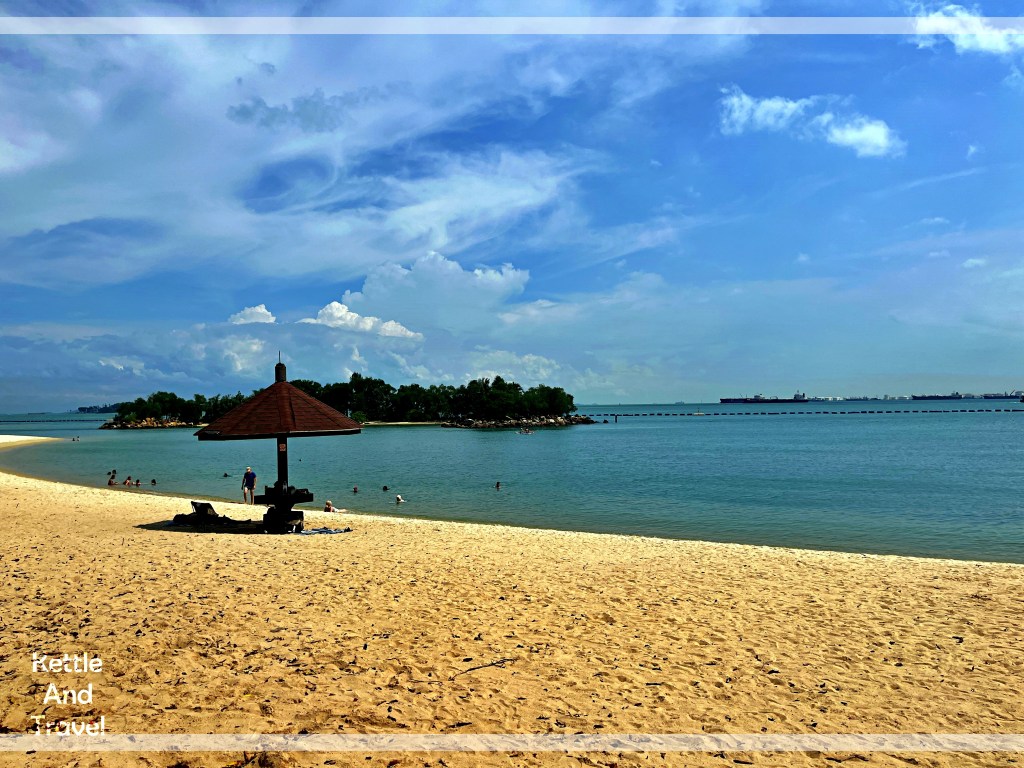
Sentosa is a manmade island off the main island which has been developed from the point of view of tourists. It boasts some of the best attractions in the world, including the Universal Studios, Madam Tussauds Museum, Sky Helix, Acquarium, and Water Park. Apart from themed attractions, Sentosa Island also has 3 main beaches (apart from many smaller beaches all around). These beaches are well managed, have changing facilities, and engage tourists in many ways e.g. having the southernmost point of Asia at one of the beaches.
In the evening there is a light and sound show called Wings of Time which enthralls visitors. The most scenic way to reach Sentosa Islands is via the cable car from Harbor Bay station, but if you are looking for a more affordable ride, Sentosa Express from VivoCity shopping mall takes you there in 4 SGD – the return journey and journeys within Sentosa are complimentary.

Jewel and Changi Airport – Function Meets Form
Singapore has been consciously building a tourism outlook for a long and its gateway is one big example of it. The Changi Airport has been designed to be an attraction for travelers. While travelers hate layovers, this airport is an exception where they prefer the longest layover. Each corner of the airport is aesthetically designed and given a twist to become a point of attraction e.g. butterfly park, screen ceilings, green corners, etc. Also, it offers a myriad of engagements like free movie screenings, big screen televisions spread across, and slides for kids & adults. With four terminals, each with a different theme and connected through a sky train (except Terminal 4), it is a large, complex, and pleasant experience for visitors.
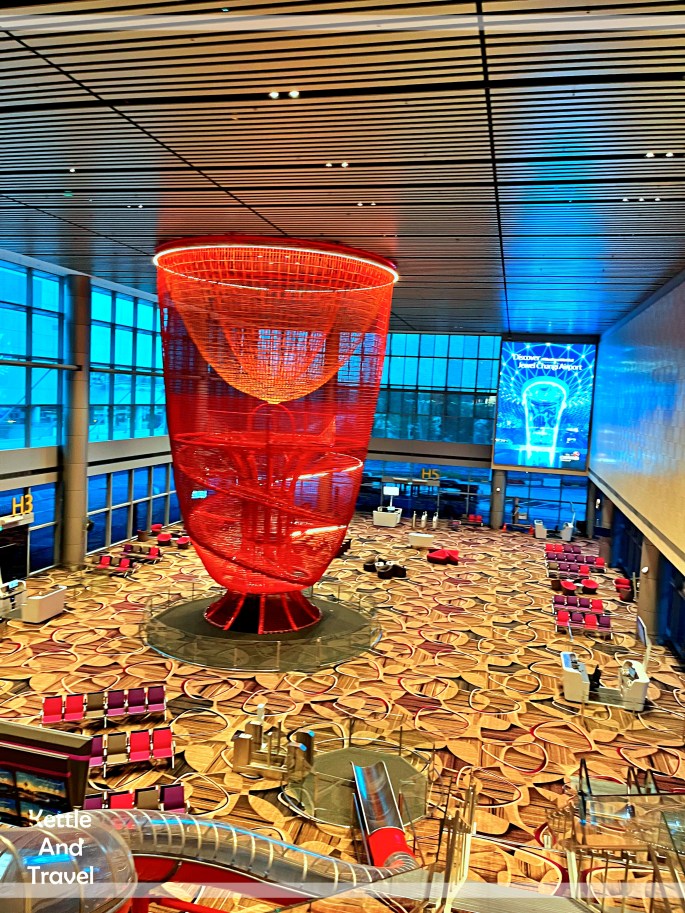
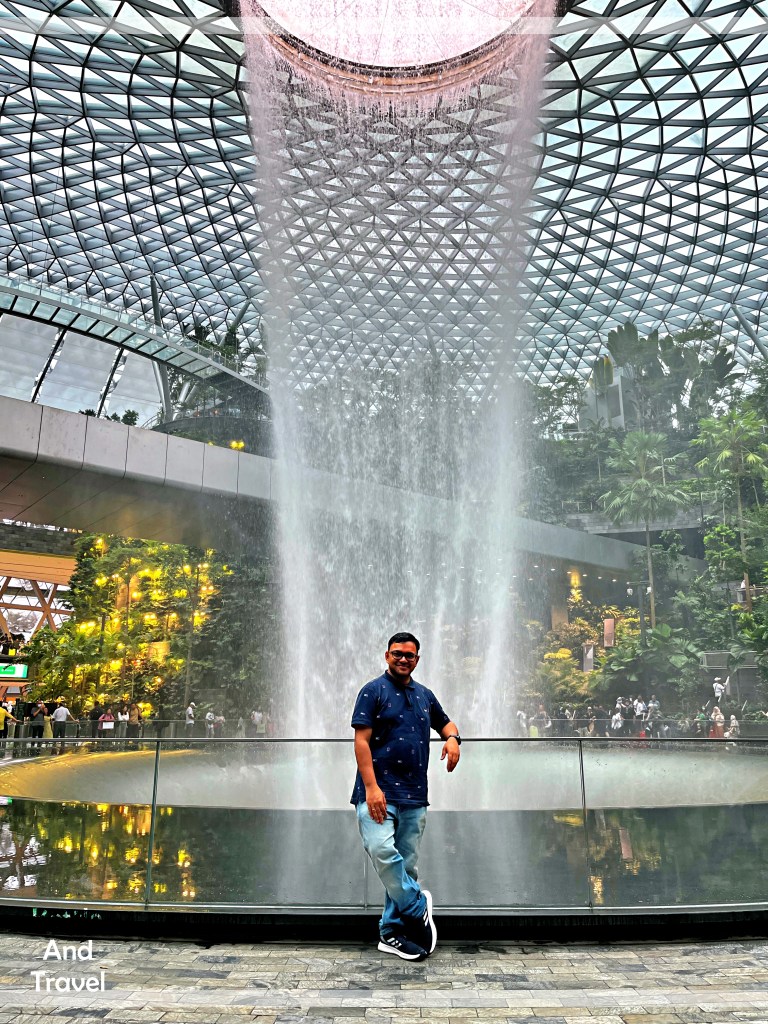
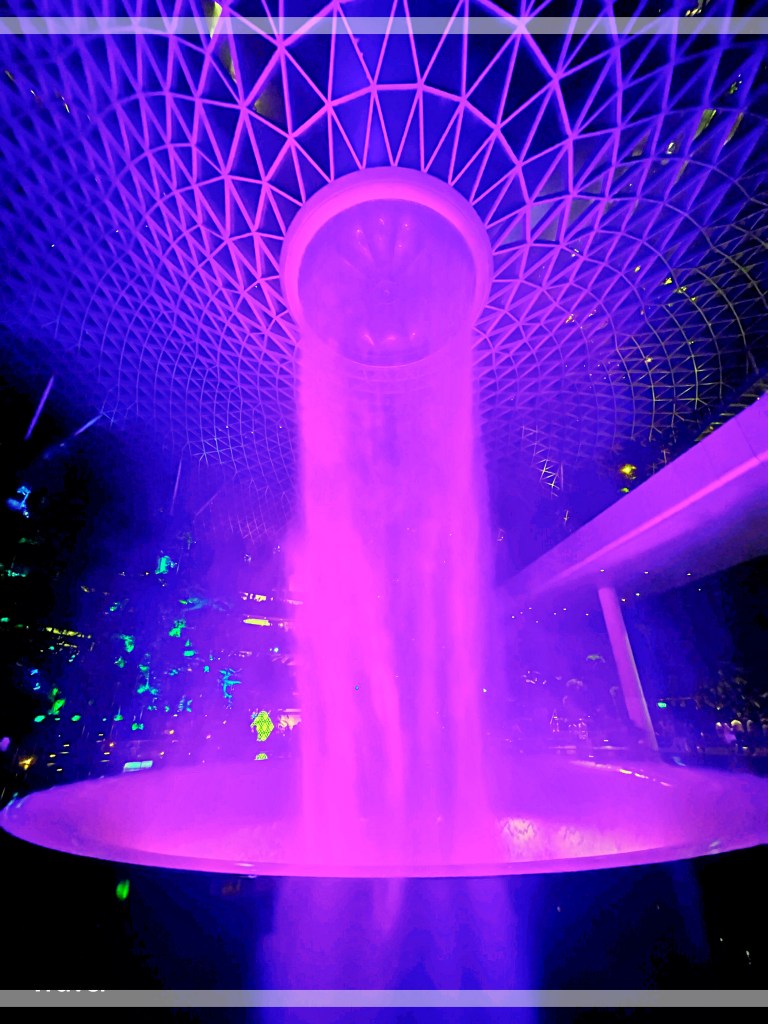
In addition to the airport, there is a huge shopping mall attached to the airport – literally attached and a short walk from Terminal 3. While it has all the upmarket brands from around the globe, it is much more than a shoppers’ destination. It is the house of the tallest indoor waterfall called Rain Vortex. It is an amazing site and a magnet for tourists. There is a canopy bridge walk which gives a great view of the waterfall. There are additional engagements for tourists including a glass maze, a net walk, and a lot of food outlets.
Singapore and Shopping are synonymous
Singapore is a shopper’s paradise owing to its close trading relations with most of the world. Given its developed status and generous expenditure capability of citizens, brands, and companies find it fruitful to bring their products to this island country. While the prices are in general high given the living standards, the favorable tax structure is definitely advantageous for shoppers. The general GST rates in the country are about 6% (against 18% in India for seemingly luxurious items) and this is refundable on exit from the country if you shop for more than 100 SGD at a single shop.
Some of the areas best for shopping are Orchard Road and Bugis Street. ION on Orchard Road is a great mall with an amazing view of the city from high above – ION Sky which is actually a restaurant but the access is unrestricted. Shops at Marina Bay Sands is another area where you can mix tourism with shopping. Vivo City Mall, where you board Sentosa Express, is another big shopping mall.

If you are looking for more affordable options, Chinatown and Little India are great options for souvenirs. There is a tsunami of shops for magnets, key chains, tea shirts, and other memorabilia. If you have left any essentials back home or are looking for everyday items, Mustafa Center in Little India is a wonderhouse of all brands and essentials – especially from India.
Nature and Environmental Indulgence
While Singapore is a concrete jungle and has every building superior to the others, but the city has developed its share of natural habitats. To start with, there is Fort Canning Park, right in the middle of the city. It is a ritual for all morning walkers amidst peace and nature. Then there are national parks towards the northwest of the main island. There is Windsor, Thomson & Chestnut Nature Walk, and Bukit Timah Nature Park – all of these have nicely curated hiking trails and other activities close to nature. One recommendation that we have is to visit the Tree Top Walk – which takes visitors to a free-standing suspension bridge over 25 meters above sea level. The views around are worth the 7 km hike around Windsor Park.
Singapore Zoo, also known as the Mandai Zoo, is a world-renowned attraction that has been captivating visitors for decades. Established in 1973, the zoo is home to over 2,800 animals from more than 300 species, making it one of the most diverse and well-maintained zoos in the world. One of the key highlights of Singapore Zoo is its open-concept design, which allows visitors to observe animals in habitats that closely resemble their natural environments. From majestic lions to playful orangutans, visitors can witness these incredible creatures up close and personal. Apart from the exhibits, the zoo also offers night safaris which allow visitors to peek into the life of animals in the dark.

There is more to see in Singapore and above is only a small glimpse. The Singapore Discovery Center is an edutainment center under the aegis of the Defence Ministry. It takes visitors through the history and a different perspective of the country. If you want to observe Singapore, half a century ago, visit Pulao Ubin, a short boat ride from the Changi Point Ferry Terminal which is one of the few villages (or kampongs as locally called).
Budget – Money Matters, so let us talk about it
Singapore by no means could be a budget travel as it is an expensive country in itself. Whether you consider accommodation or ticketed attractions, everything comes at a premium. We have provided a breakup of how much we spent on each heading and in total but this could vary quite a bit based on some of your choices. The simplest example of this is if you plan to visit Sentosa Island by cable car instead of Sentosa Express (totally worth it though!) you would increase your budget by about 5-8k INR (assuming a family of 3). In summary, we spent a total of 62, 000 on a four-day solo trip – most of the expenses indicated below are almost per head basis so you would spend a multiple based on the number of travelers in the group.
| Heading | Amount (INR) | Additional Details |
| Flight | 25, 000 | The fare was 20,000 but I chose window seats adding another 5000 bucks. |
| Hotel | Sightseeing | I stayed at a capsule hotel to save money here. Also, used airport lounges to manage early check-in/late checkout restrictions |
| Visa | 2, 600 | If you hold an active US Visa, you could avoid this in some cases |
| Siteseeing | 12, 000 | We spent slightly short of this at about 8, 000, but we recommend budgeting for this much. If you opt for Universal Studios, it is a big addition to this number. |
| Local Transport | 2, 000 | Most of this was on MRT as I did not take any grab at all including for airport transfers |
| Food | 3, 000 | Tried to be thrifty on food supported by home-cooked snacks and ready-to-eat packs |
| Gifts | 10, 000 | I was compensating for being solo, but this is completely discretionary |
| Others | 2, 000 | This included spends on e-sim (INR 400) and other smaller heads |
| Total | ~66, 000 | This is a pretty good summation of what you could expect to spend for 1 person on a 4-day trip |
Things to Remember
- If you are on a budget and plan to use public transport, please carry a set of comfortable shoes as you end up walking quite a lot across finding stations, catching connections, and roaming around.
- If you can get your hands on a credit card or debit card that does not charge currency conversion fees or the fees are lesser than the rewards earned, then use it for your currency needs rather than cash conversions
- It can rain without warning in Singapore so always carry an umbrella or a good-quality raincoat. It helps to have a backpack with its own waterproof covering.
- The ticket prices for attractions are on a higher side compared to some other SE Asian countries so pick the ones you are really interested in.
- Opt for cards that offer international lounges for free (the EaseMyTrip card from SC is the cheapest option we know) – use the one in Jewel for a great experience where you can relax and/or keep your luggage
- Luggage holds are available at most places including the Jewel but the facility is a bit pricey so you can take a call based on the situation
- Singapore Visa, while mostly comes in 2-3 days, can sometimes take up to a week so keep a buffer of time
- Complete your SG arrival card before commencing your journey (up to 3 days in advance) and simply use the automated immigration. We noticed that those filling out the card at the last moment faced issues at the gates
- Sentosa Express rides are free within Sentosa and there is a free tram ride from Beach Station so do not exert walking around the island – there is already a lot of walking you have to do anyways
- VAT refund can be claimed on your way out but we recommend keeping the purchases sealed for proof to be shown and keeping them in your cabin luggage (in case asked for inspection)
- There is an early check-in automated facility for most flights at Jewel which is very convenient. We tried it and it works flawlessly – there is someone to help you but it anyway is pretty intuitive.
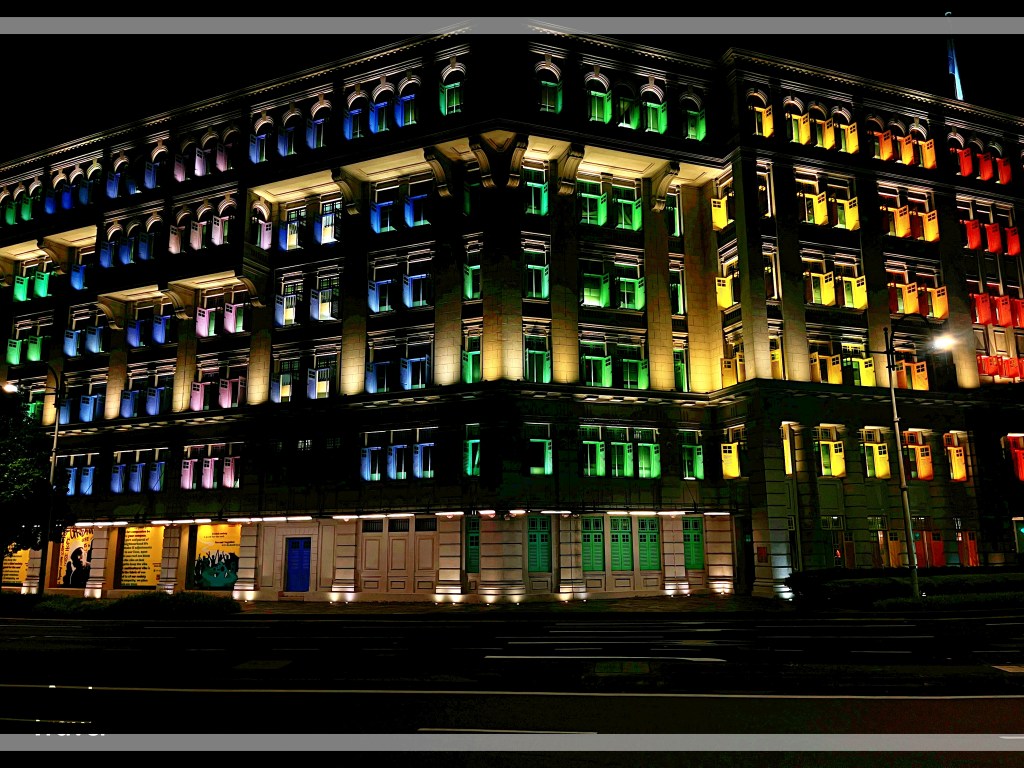
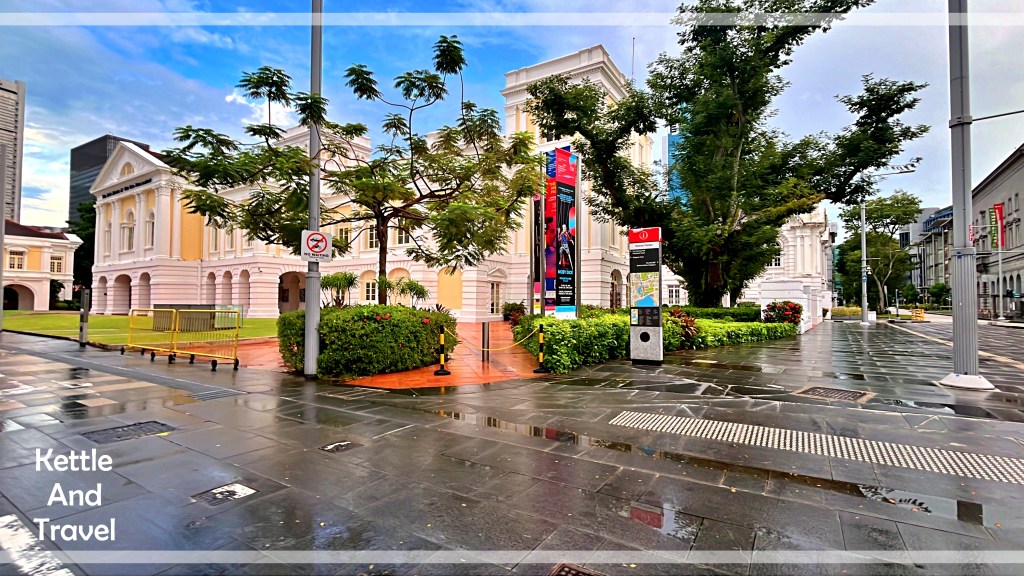
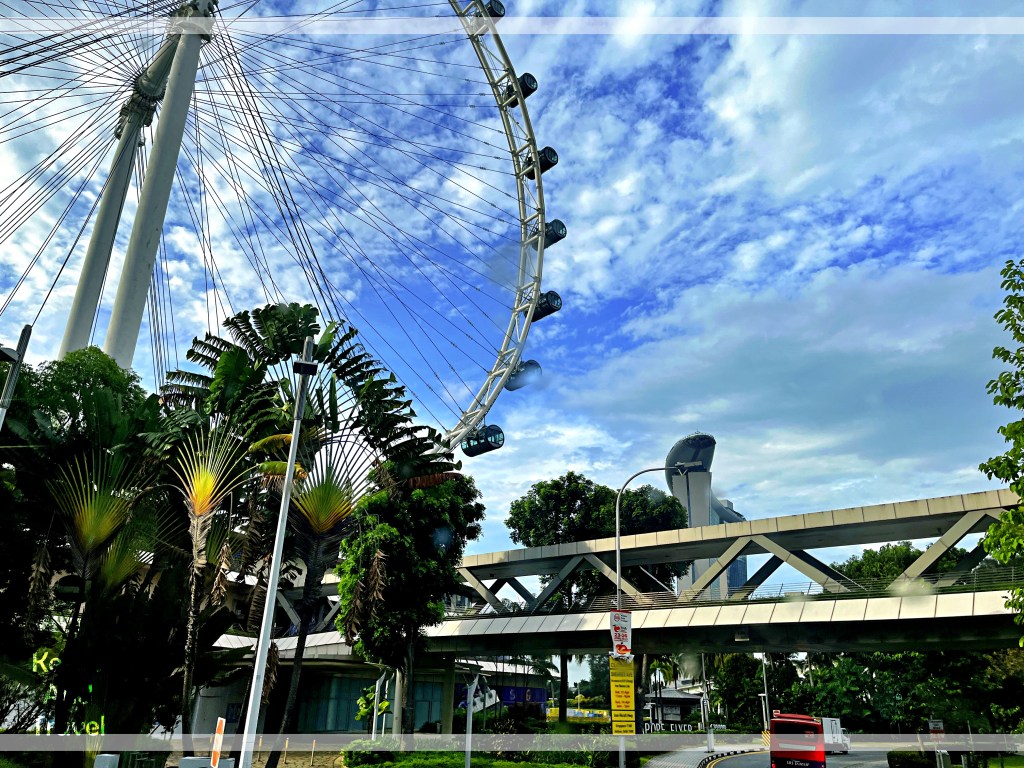
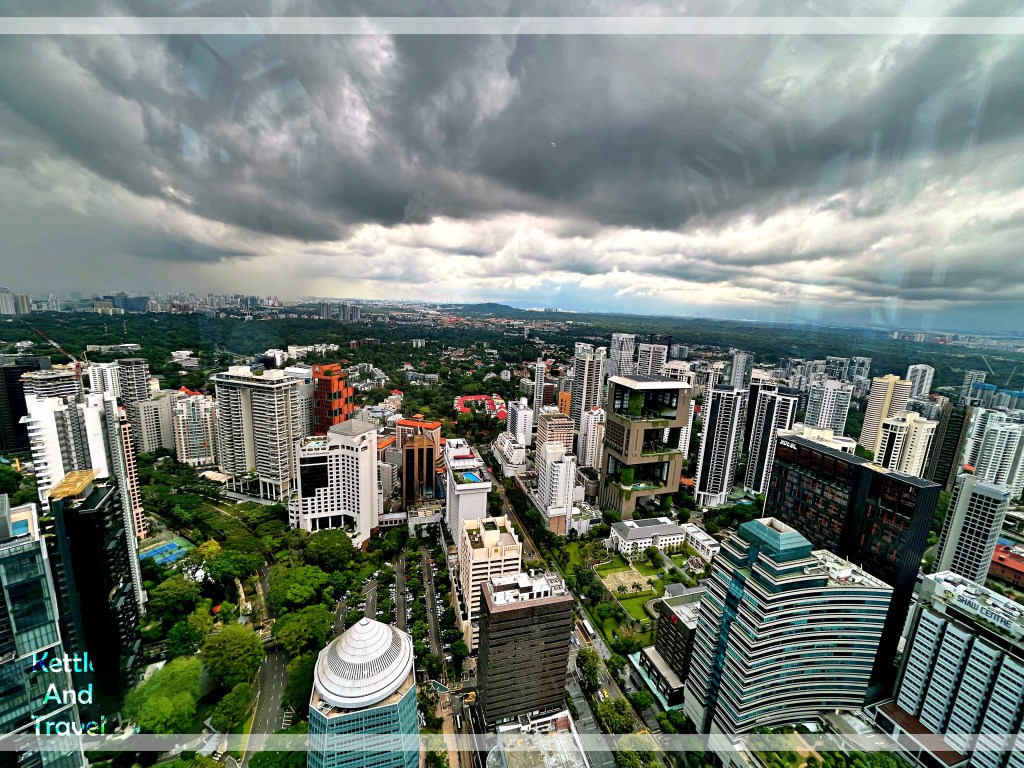
Some Additional Pictures from the Trip to End the Article










 Kettle and Travel